Lettuce takes about [45 to 80 days from seed to harvest](/when-to-plant-lettuce/how-long-does-lettuce-take-to-grow-dreamlight-valley), depending on the type and your growing conditions. Leaf lettuce is the fastest, often ready in 45 to 60 days. Leaf lettuce is the fastest, often ready in 45 to 60 days. Head types like romaine and crisphead take longer, usually 60 to 80 days or more. If you're after baby greens, you can be cutting leaves in as little as 30 days. Here's how to figure out the right timeline for exactly what you're growing.
How Long Does Lettuce Take to Grow: Timelines to Harvest
Marcus Holloway
24 Mar 2026
Typical Lettuce Growth Timeline: Seed to Harvest
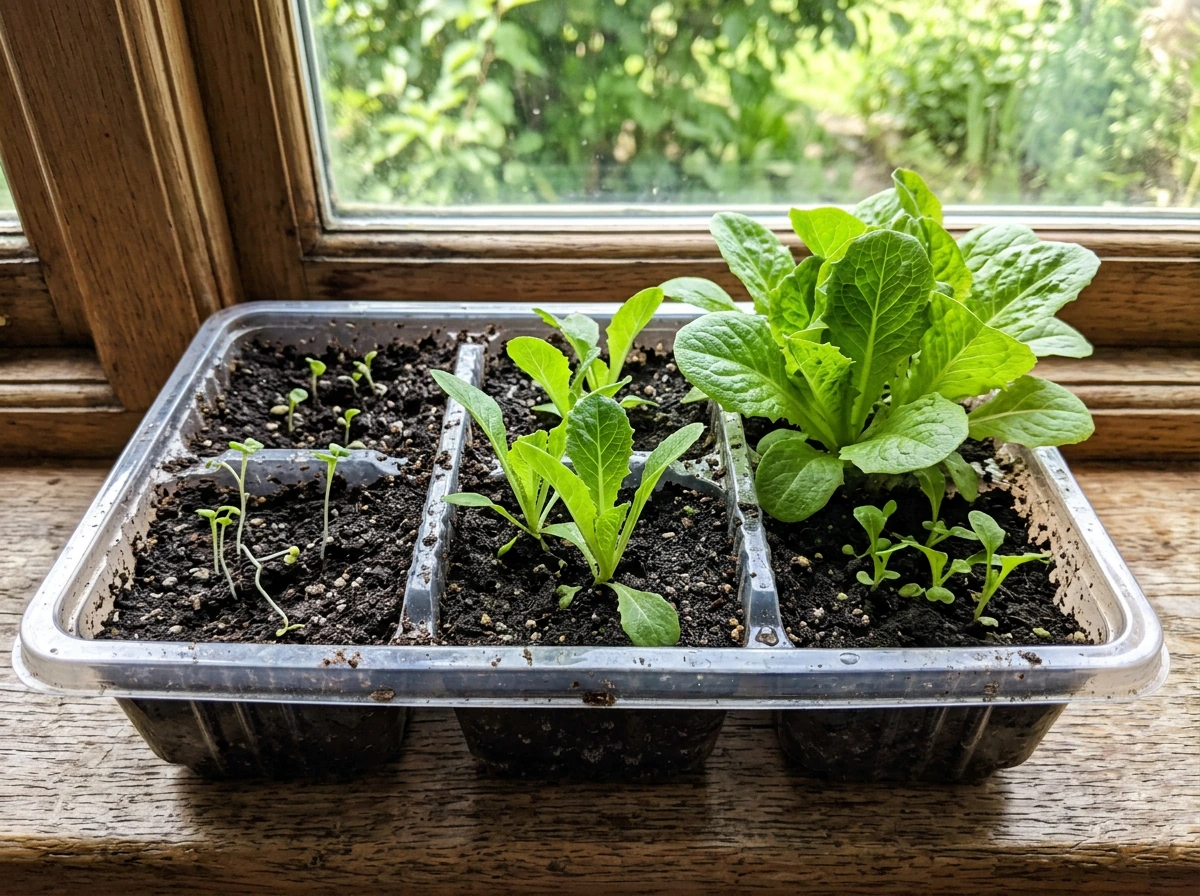
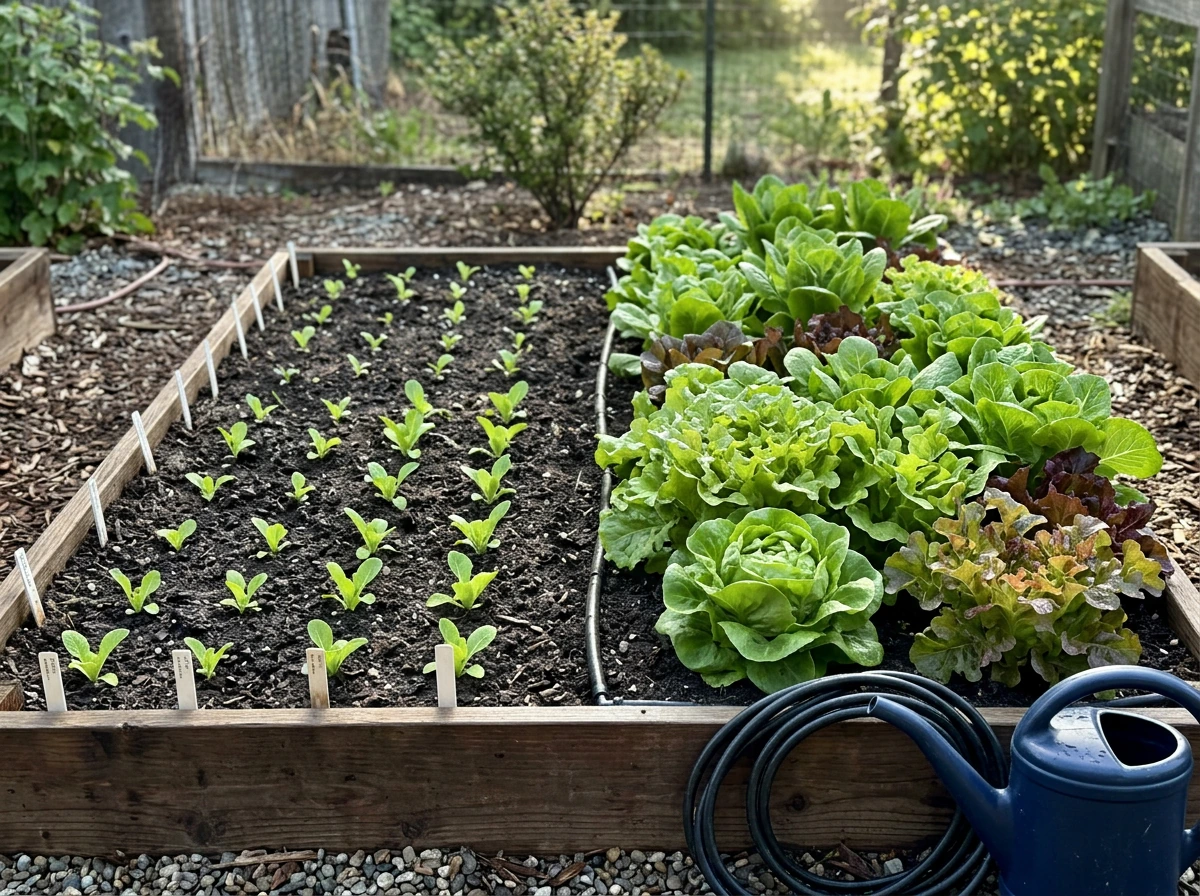
The full journey from seed to a harvestable plant breaks into a few predictable stages. Germination happens in about 2 to 15 days, but under ideal soil temperatures of 50 to 65°F, you'll see sprouts in 6 to 8 days. Push soil temps above 80°F or drop them below 35°F and germination slows significantly or stalls. Once seeds sprout, plants move into their vegetative phase and start building leaf mass. For most home gardeners, the full seed-to-harvest window falls between 45 and 80 days, with 45 to 60 days being the sweet spot for <how to grow little gem lettuce>.
A practical way to think about it: seed packets list days to maturity from the date of sowing, and those numbers are your most reliable starting point. A buttercrunch variety, for example, is commonly listed at 45 to 55 days. Always count from the sowing date, not the transplant date, unless the packet specifically says otherwise.
Leaf Lettuce vs Head Lettuce: How Long for Each
The type of lettuce you're growing is the single biggest factor in your timeline. Loose-leaf varieties are built for speed. Head types need more time to form a dense, compact structure before they're worth harvesting.
| Lettuce Type | Days to Maturity (from seed) | Notes |
|---|---|---|
| Loose-leaf (green) | 45–60 days | Baby greens ready as early as 30 days |
| Loose-leaf (red leaf, e.g. Salad Bowl Red) | ~50 days | Similar pace to green leaf; color develops first |
| Butterhead | 45–65 days | Forms soft, loose heads; check for cupping |
| Romaine | 60–80 days | Upright, slow to form; some varieties push to 85 days |
| Crisphead (iceberg-style) | 60–80 days | Slowest type; needs firm head before harvest |
Red leaf varieties like Salad Bowl Red clock in at around 50 days, making them just as fast as their green counterparts. The color is mostly cosmetic and doesn't affect how quickly the plant grows. If you want the fastest possible harvest, stick with any loose-leaf variety and plan for about 50 days under normal conditions.
Starting from Seedlings: Transplant Timing
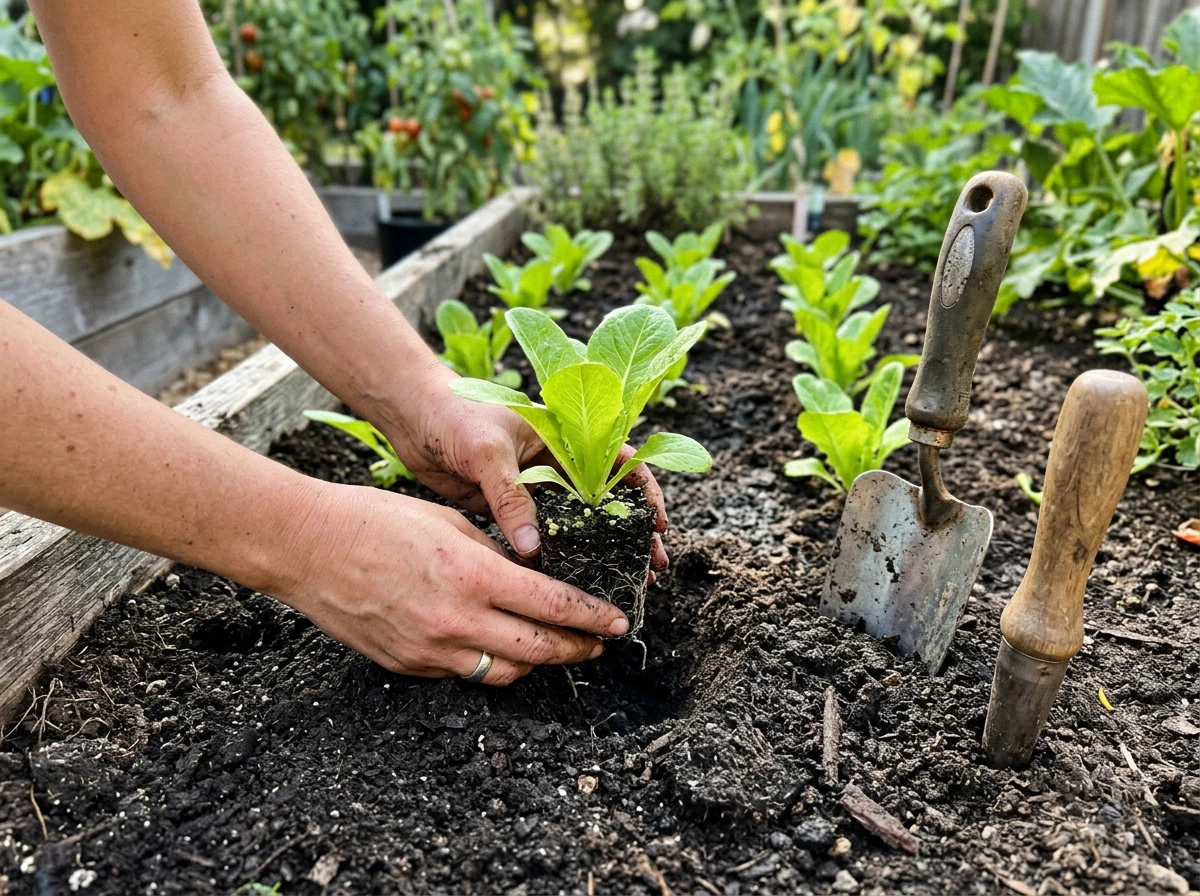
If you're starting seeds indoors (which most gardeners do for spring crops), plan for seedlings to be transplant-ready about 3 to 5 weeks after germination. That puts your total seed-starting-to-transplant window at roughly 4 to 6 weeks from sowing. In a heated space or greenhouse, that timeline holds pretty reliably.
The right moment to transplant is when the first true leaves appear and the seedling looks sturdy enough to handle the move. Don't wait until seedlings get leggy or rootbound in their cells. Transplanting too late actually adds stress and can push your overall timeline out. Once true leaves show, pot up into individual containers or move them directly to the garden if conditions allow.
One thing worth knowing: when seed packet days-to-maturity numbers are listed from sowing, transplanting doesn't reset that clock. A plant that germinated 5 weeks ago is still 5 weeks into its development. From transplant date, loose-leaf types are typically harvestable in about 30 to 45 days, not the full 50 to 60, because some of that time has already elapsed.
Baby Greens vs Full Maturity: When to Actually Harvest
You don't have to wait for full maturity to eat your lettuce. Baby greens (small, tender leaves harvested young) are ready as early as 25 to 35 days after sowing, depending on the variety. These are the leaves you see in store-bought salad mixes. They're cut when 3 to 4 inches tall, before the plant develops its full structure.
For a first cut of larger leaves from loose-leaf types, aim for 45 to 50 days. At this stage you can harvest outer leaves individually, leaving the center to keep producing. This cut-and-come-again method extends your harvest window significantly and is the most practical approach for home gardeners.
Full maturity means something different depending on the type. For head lettuce, it means the head is firm and well-formed, with 3 to 4 wrapper leaves protecting the outside. For loose-leaf varieties, full maturity is essentially when the plant reaches its peak size before starting to bolt, which is when leaves can get bitter. Harvesting before that point gives you the best flavor.
| Harvest Stage | Days from Seed | What to Look For |
|---|---|---|
| Baby greens | 25–35 days | Leaves 3–4 inches tall; harvest whole plant or thin rows |
| First outer-leaf cut | 45–55 days | Outer leaves large enough to use; inner leaves still forming |
| Full loose-leaf harvest | 50–60 days | Plant at peak size; harvest whole plant before bolting |
| Butterhead/romaine full head | 60–80 days | Head firm; leaves cupped or upright and dense |
| Crisphead full maturity | 65–80 days | Head solid and heavy when squeezed gently |
How Growing Conditions Change Your Timeline
Temperature is the biggest variable. Lettuce is a cool-season crop that grows fastest between 45°F and 65°F. Above 75°F, growth slows and bolting risk rises sharply. Below 40°F, growth nearly stops. In practical terms, a lettuce plant that takes 50 days in perfect spring conditions might take 65 days in a cool, cloudy April or bolt at 40 days during a warm May.
Light matters too, and it starts at germination. Lettuce seeds need light to germinate, so cover them with just a thin dusting of soil, no more than an eighth of an inch. Once growing, 12 to 14 hours of light per day supports steady vegetative growth without triggering bolting (long days actually encourage bolting, so timing your planting to avoid the longest days of summer helps).
Soil fertility and watering also move the needle. Lettuce is a heavy feeder relative to its short season. Nitrogen-rich soil supports fast leaf production. Consistent moisture (not soggy, not dry) keeps growth steady. Stress from drought or heat can shave days off the harvest window in the wrong direction, pushing the plant to bolt rather than produce more leaves.
Spacing is often overlooked. Crowded plants compete for nutrients and light, which stretches the timeline and produces weaker plants. Thin or space loose-leaf varieties to about 6 inches apart, and head types to 10 to 12 inches, for the best growth rate.
Season-extension tools can shift your timeline earlier or later in the year. Low tunnels and floating row covers create a microclimate that's several degrees warmer than outside, letting you plant earlier in spring and keep harvesting longer into fall. High tunnels run about 10 to 15°F warmer than outside air during the day, which is often enough to keep lettuce growing through conditions that would otherwise shut it down.
How Long Lettuce Keeps Producing (and When It Bolts)
With loose-leaf varieties using a cut-and-come-again approach, you can harvest repeatedly over several weeks from a single planting. During peak growth in cool weather, outer leaves may be harvestable every 2 to 3 days. A single plant can give you 4 to 6 good harvests before it starts to decline or bolt.
Bolting is when the plant shifts energy from leaf production to flowering and seed production. Once it bolts, leaves get bitter quickly and the harvest window closes. The main triggers are long days (past the summer solstice) and high temperatures. A plant that was fine in May can bolt within a week during a June heat wave. Shorter day length in fall actually helps, which is why fall lettuce often lasts longer and stays sweeter.
To get the most out of your harvest window, plan successive sowings every 2 to 3 weeks rather than planting everything at once. This staggers your harvest instead of having everything ready (and bolting) at the same time. For most climates, the best windows are early spring (6 to 8 weeks before last frost) and late summer for a fall crop (about 60 days before first fall frost, counting back from your expected harvest).
How to Speed Things Up (and Fix Common Delays)
If you want the fastest possible harvest, start with a loose-leaf variety, aim for baby greens, and keep soil temperatures in the 55 to 65°F range. how to grow lamb's lettuce Planting outdoors when soil is still cold (below 40°F) is the most common reason for delays. Use a soil thermometer before you plant, not a calendar date.
Starting seeds indoors under grow lights 4 to 6 weeks before your transplant date gives you a head start on the season. This is especially useful if you're in a short-season climate. If you're direct sowing, warming the soil with black plastic mulch for a week before planting can speed germination noticeably.
If your lettuce is taking longer than expected, run through this checklist:
- Soil temperature below 50°F: germination and early growth will be very slow; use row covers or wait for warmer weather
- Not enough light: lettuce needs full sun (6+ hours) outdoors or strong grow lights indoors; low light produces slow, leggy growth
- Soil too dry: lettuce has shallow roots and needs consistent moisture, especially in the first 4 weeks
- Overcrowding: thin plants to the right spacing so each one isn't competing for resources
- Wrong timing: planting in midsummer heat won't give you slow lettuce, it'll give you bolted lettuce; switch to a heat-tolerant variety or wait for fall
For anyone growing hydroponically or in aquaponics systems, timelines can be notably shorter because nutrients are delivered directly to the roots, see how long to grow lettuce in aquaponics for typical ranges. Those growing methods have their own timing nuances, which are worth exploring separately. If you're growing in soil and following the guidelines here, you have everything you need to plan a solid lettuce harvest and know exactly what to expect at every stage.
FAQ
If I transplant, does the days-to-harvest clock reset?
Count days to maturity from sowing, even if you transplant later. The transplant does not restart development, so a seedling moved to the garden after germinating for weeks is already partway through its total timeline.
What should I do if my lettuce is not growing on schedule and seems to be heading toward bolting?
If you see slow or stalled growth plus early flowering, it is usually bolting, not a seed or timing problem. Check for long-day light exposure and high temperatures, then shift to looser harvests or faster-cut baby greens to salvage flavor.
How can I tell whether the delay is due to cold air or cold soil?
Use soil temperature (with a thermometer) rather than air temperature. Lettuce seeds and seedlings respond strongly to soil, so cool, cloudy conditions with cold soil can add extra days even when afternoons feel mild.
Can poor spacing make lettuce take longer to grow, and how much should I thin?
Thinning is not just about spacing looks, it affects how quickly the plant can build leaf mass. If plants stay too crowded, you may get smaller leaves and a longer wait to reach baby-green size or final harvest.
What if my seed packet lists “days to maturity” but does not clearly say from sowing or transplant?
Watch the label, because some packets specify maturity from transplant date instead of sowing. If the packet is unclear, default to sowing date counting, since that is the most consistent way to plan.
When is the best time to start cut-and-come-again harvesting for the quickest ongoing yield?
For the fastest results, harvest leaf types when outer leaves reach about 3 to 4 inches, then continue taking only the outer leaves. If you harvest too late (near full size), the plant is more likely to bolt and stop producing.
How do I fix bitter lettuce when it still seems like it is close to the right days?
If your lettuce is ready but the leaves taste bitter, it is often a sign of heat or advanced bolting. In warm weather, move up harvest timing and focus on baby greens, since later-season bitterness can happen even when plants look “mature.”
Does irregular watering change how long lettuce takes to reach harvest, or just the size?
Yes, consistent watering matters for timing. Water stress can make growth uneven, which can shift the plant toward bolting earlier than expected, shortening the effective harvest window even if the calendar days look right.
Will container growing change how long lettuce takes, compared with garden beds?
If you are growing in containers and the soil dries fast, expect slower growth and earlier stress. Containers often need more frequent moisture checks, and drying out can cut your harvest timeline short by triggering heat and bolting stress.
Why does direct sowing sometimes make lettuce seem to take longer even though the seeds should sprout quickly?
If you are direct sowing, protect seedlings from surface crusting and temperature swings, and avoid deep coverage since lettuce seeds need light to germinate. Uneven emergence can make it look like the crop is “late,” because you are actually getting plants at different starting times.