Head lettuce, specifically romaine-style varieties, is absolutely worth growing at home. You get crisp, upright leaves that form a tight head, and once you understand what the plant actually needs, it is not difficult to pull off. This guide covers both ways to get there: starting from seed and regrowing from a cut lettuce base. Whether you have a garden bed, a container on a balcony, or a hydroponic setup, the core principles are the same. Let me walk you through exactly what to do.
How to Grow Head Lettuce: Step-by-Step for Tight Heads
Marcus Holloway
24 Mar 2026
What head lettuce actually means (and picking the right variety)
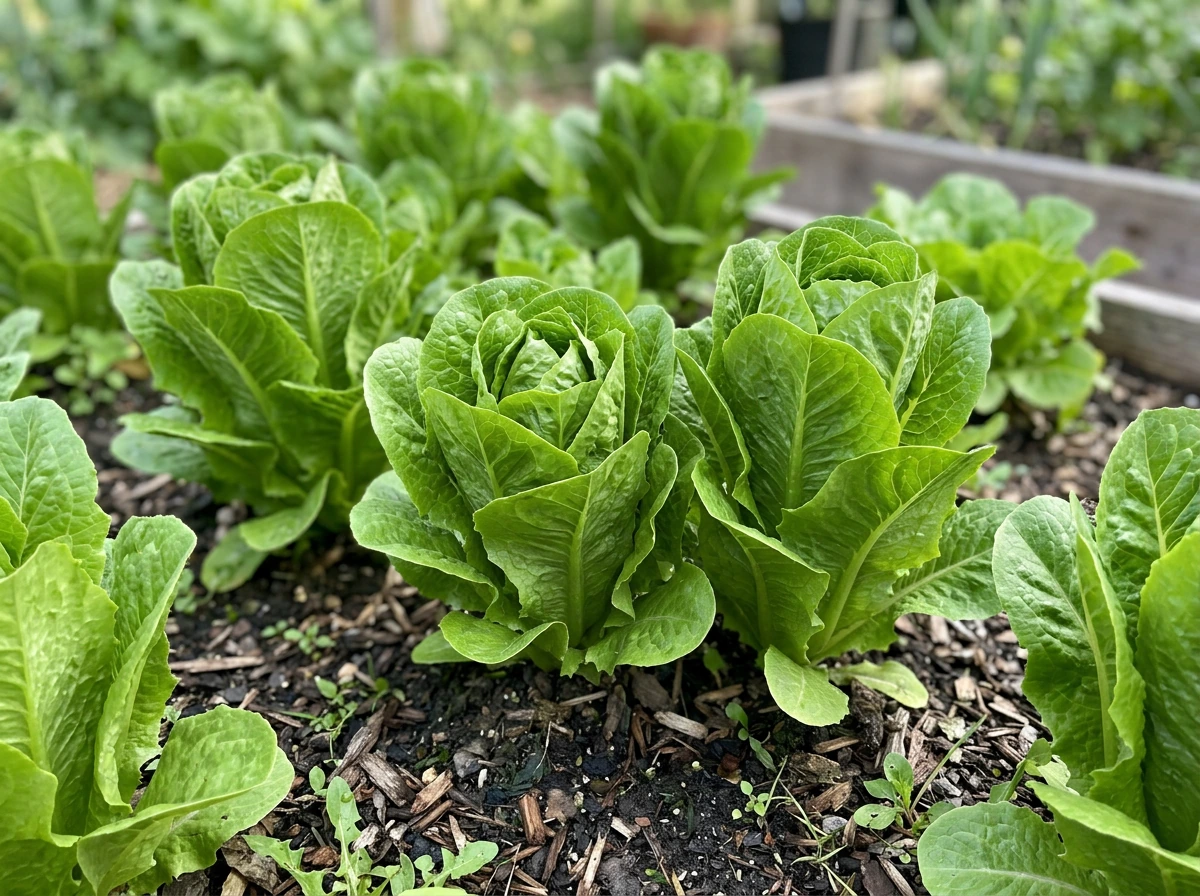
"Head lettuce" is a broad term that gets used loosely, so let's be clear. In the home garden context, it refers to lettuce varieties that form a defined, upright or rounded head rather than loose, spreading leaves. Romaine (also called cos) is the most practical choice for home growers because it is more heat-tolerant than crisphead (iceberg-style) types and easier to form a good head in typical home conditions. The University of Maryland Extension describes a ready-to-harvest romaine head as having elongated leaves that overlap to form a fairly tight head about 4 inches wide at the base and 6 to 8 inches tall. That is your target.
Butterhead is another head-forming type, with softer, cupped leaves that fold inward. It is excellent for containers. Crisphead (iceberg) is technically a head lettuce too, but it is the hardest to form at home because it requires very cool, consistent temperatures to develop that dense, crunchy ball. I generally steer beginners away from it.
For variety selection, look for anything labeled slow-bolting. For example, if you want to know how to grow red leaf lettuce, choose slow-bolting varieties that are less likely to bolt in warmer conditions. Simpson Elite is a well-known example with a reputation for long-lasting, slow-to-bolt performance. For romaine, varieties like Parris Island Cos, Vivian, and Coastal Star are reliable picks. If you are growing in a warmer climate or late in spring, slow-bolt labeling is not just a nice-to-have, it is important.
| Type | Head Style | Difficulty | Heat Tolerance | Best For |
|---|---|---|---|---|
| Romaine/Cos | Tall, upright, overlapping leaves | Easy to moderate | Moderate | Garden beds, containers, hydroponics |
| Butterhead | Soft, rounded, loosely folded | Easy | Low to moderate | Containers, indoor growing |
| Crisphead (Iceberg) | Dense, tight ball | Difficult | Low | Cool climates with long cool seasons |
| Batavian | Loose upright head | Easy | Moderate to good | Warm climates, succession planting |
Option A: Growing head lettuce from seed
This is the most reliable path to a full, well-formed head. The total timeline from seed to harvest for romaine is 50 to 70 days depending on temperature and conditions. Here is how to do it step by step.
Starting seeds indoors (transplant method)
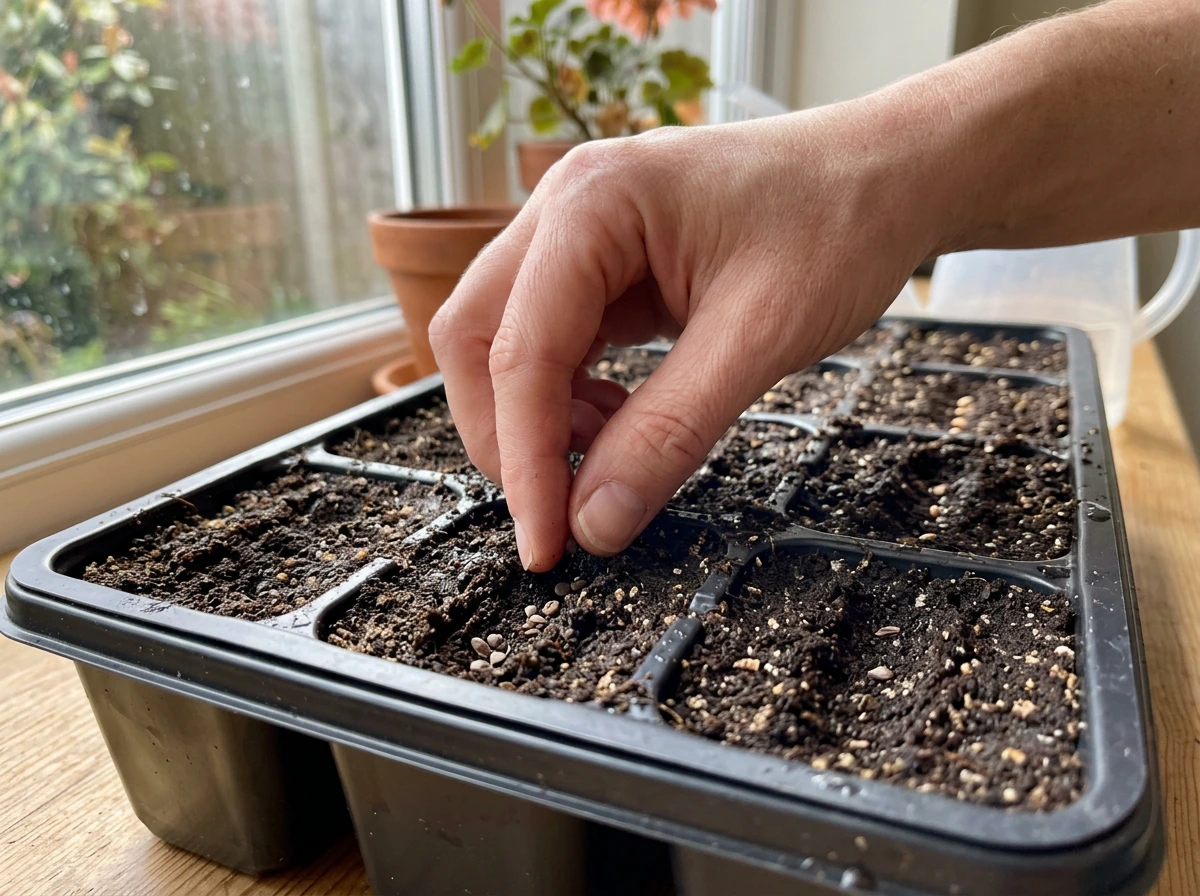
Start seeds indoors 4 to 6 weeks before your last frost date. Sow seeds at a depth of about 1/4 inch, no deeper than 1/3 inch. Germination is best between 60 and 68°F, and seeds can germinate as warm as 75°F. One important note: lettuce seed germination is inhibited above 86°F, so if your home is warm in late spring, start seeds somewhere cooler. Cell trays or small pots work well. Keep the soil moist but not waterlogged and expect germination within 7 to 10 days under good conditions.
Once seedlings have two true leaves, thin to one plant per cell if you started multiple seeds together. Grow transplants under strong light (a sunny windowsill or a grow light 2 to 3 inches above the seedlings) until they are 3 to 4 inches tall. At that point they are ready to go out.
Direct seeding outdoors
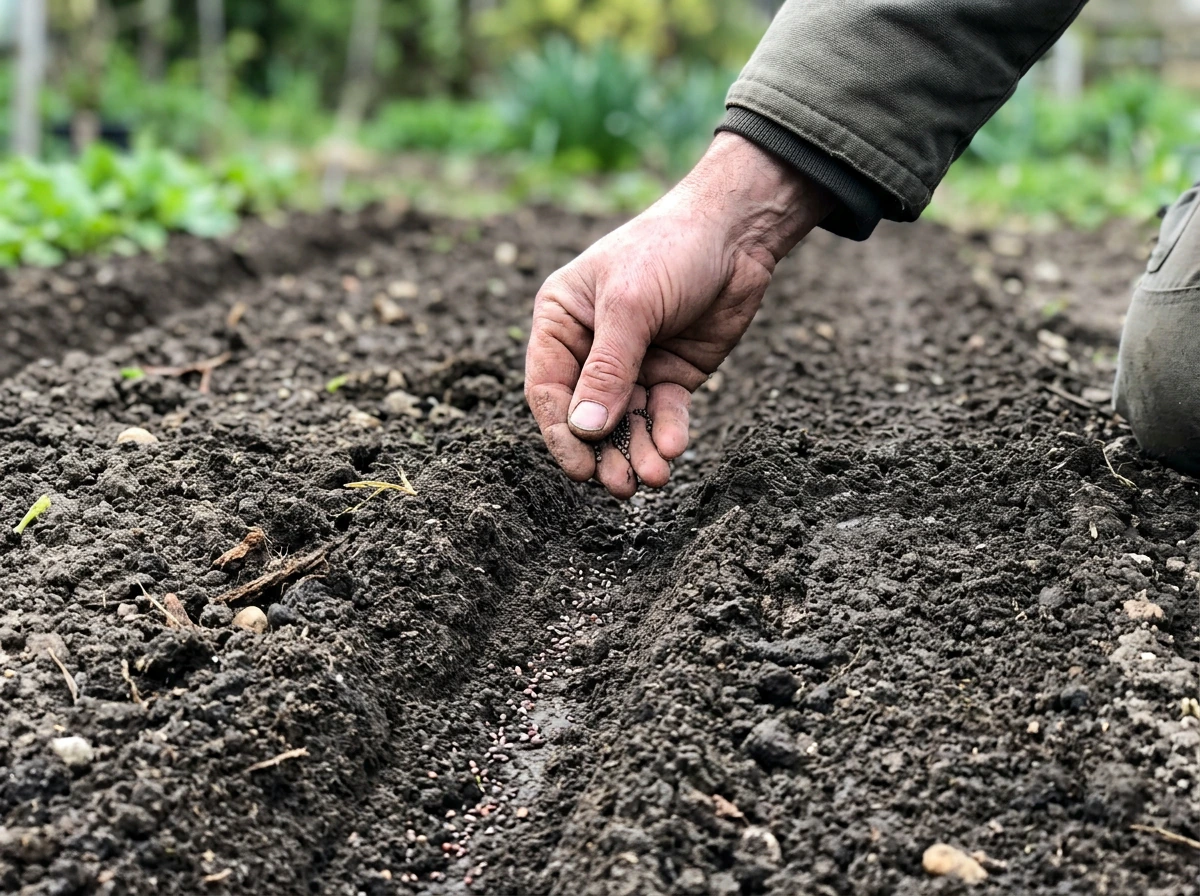
You can also direct seed into the garden or container as soon as the soil can be worked in spring, typically 4 to 6 weeks before last frost. Soil should be at least 40°F. Sow seeds thinly at 1/4 inch depth and thin seedlings progressively as they grow. Start thinning when they are 2 inches tall, first to 3 to 4 inches apart, then once they start competing, thin to final spacing.
Spacing for good head formation
Spacing is one of the most overlooked factors in getting a tight head. Too close and plants compete and produce loose, weak heads. Too far and you waste space and lose the canopy closure that helps suppress weeds. For romaine and other head types, plant 10 to 12 inches apart in-row with 12 to 18 inches between rows. If you are following commercial-style production, rows 2 feet apart with plants 12 to 15 inches apart in-row is a solid standard. In a container or raised bed, 10 to 12 inches between plants in every direction works well.
Transplanting into the garden
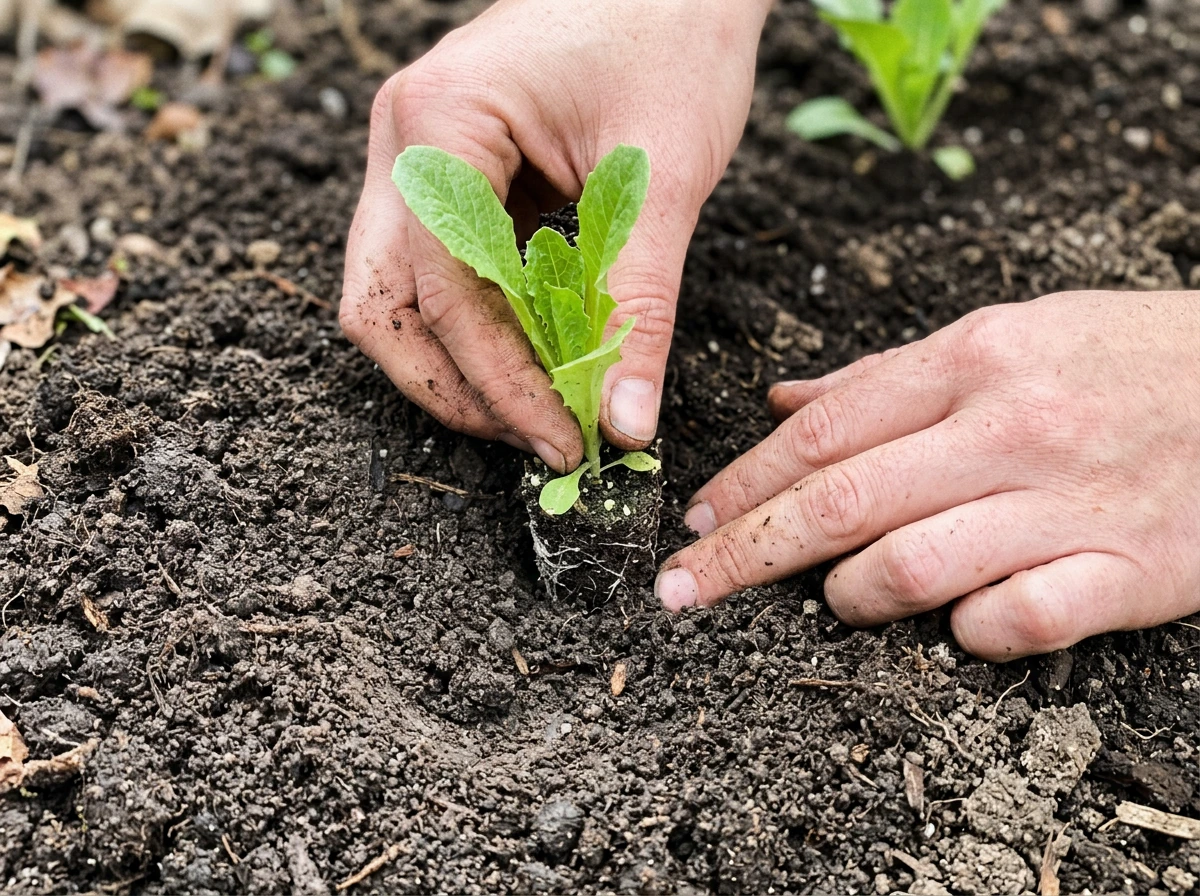
When transplanting, pay close attention to planting depth. The crown of the plant (where the stem meets the roots) should sit at or just above the soil line. Planting too deep invites crown rot, which is a fast way to lose plants. Water in transplants immediately and keep the soil consistently moist for the first week while they establish. If a late frost is possible, cover with a light row cover the first few nights.
Option B: Regrowing head lettuce from a cut base
This is the technique that gets a lot of attention online, and it does work with some caveats. When you buy or harvest a romaine head, the bottom inch or two of the stem still has living crown tissue that can regrow leaves. You are not going to get another full, tight head from a regrown base. What you get is a flush of young leaves in about 10 to 14 days, which is still very useful for quick greens. Think of it as a bonus harvest, not a replacement for growing from seed.
The water rooting method
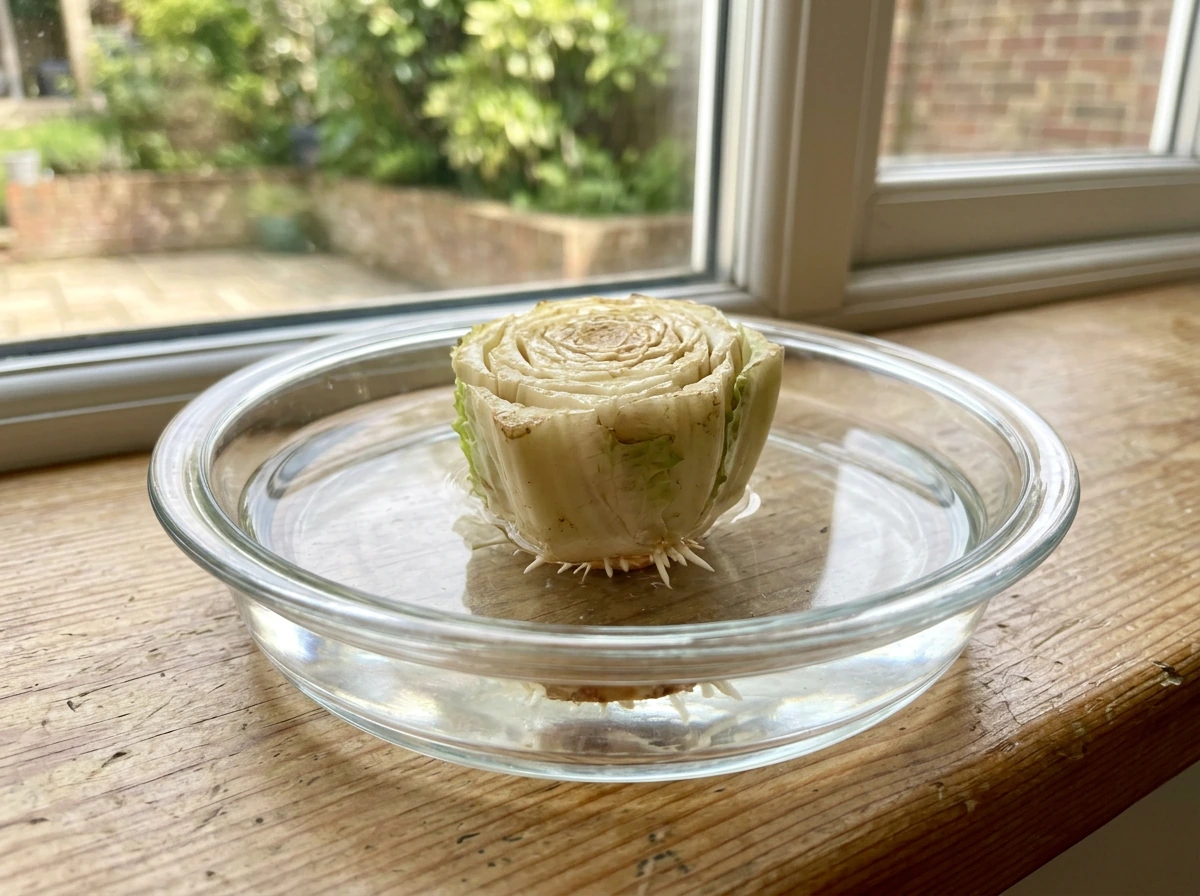
- Cut the lettuce head about 1 to 2 inches from the base. Use a clean knife and leave enough of the core intact so leaf nodes are still present.
- Place the cut base in a shallow dish with about 1/2 inch of water, cut side down. The base should sit in water but not be submerged.
- Set the dish in a bright spot, ideally a windowsill with several hours of indirect light daily.
- Change the water every 1 to 2 days to prevent bacterial buildup. Within 2 to 4 days you should see the center begin to green up and small leaf shoots emerge.
- After about a week, small roots will begin forming from the base. You can continue growing in water for a light harvest of small leaves, or transplant into soil at this point.
- If transplanting to soil, plant the base so the roots and lower stem are covered but the new leaf growth is above the soil surface. Water gently and place in bright light.
The LSU AgCenter notes that cutting at the crown and allowing regrowth can produce new leaf growth in about 2 weeks, which matches what I have seen. The key expectation to set: you will get a compact rosette of tender inner leaves, not a second full commercial-size head. Harvest those leaves while they are small and young for the best flavor.
Transplanting the regrown base to soil or a container
Once the regrown base has visible roots (usually 5 to 10 days in water), pot it up in moist potting mix in a 6 to 8 inch container. Press it in so the roots are covered and the new leaves are above soil level. Water well and keep in a spot with at least 4 to 6 hours of light. The plant will continue putting out leaves but will not reform the same dense head as a seed-grown plant. Treat it as a cut-and-come-again plant from here.
Light, temperature, watering, and feeding for tight heads
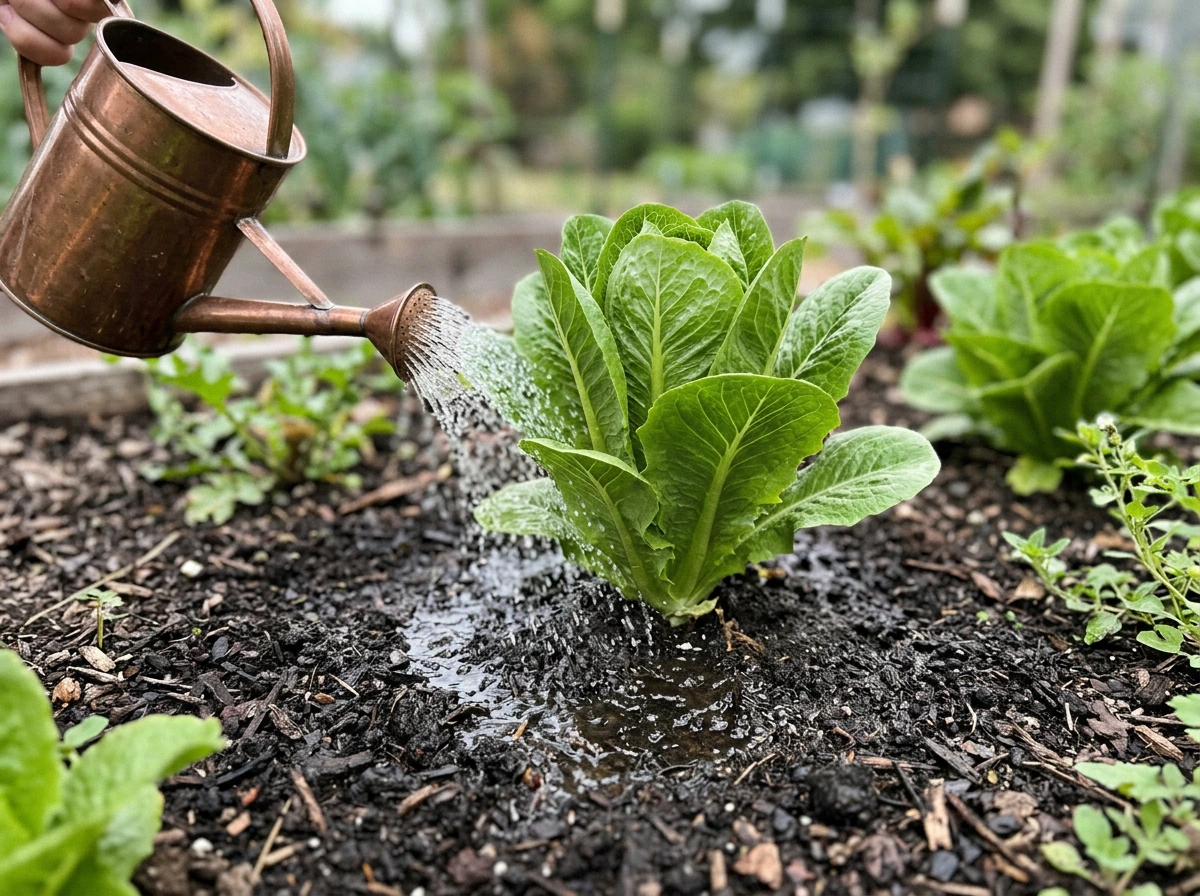
Getting the conditions right is honestly more important than any technique. A healthy environment is what produces that firm, crisp head. Here is what to target.
Light
Lettuce needs at least 4 to 6 hours of direct sun per day for solid growth. More is generally better in cool weather. In warm weather, afternoon shade is actually helpful because it keeps soil temperature down and delays bolting. If you are growing indoors under artificial light, aim for 14 to 16 hours of light per day from a full-spectrum LED or fluorescent grow light positioned 2 to 4 inches above the plants.
Temperature
This is the single most important variable for tight heads and good flavor. Optimal vegetative growth happens between 60 and 65°F. Lettuce can tolerate light frost (down to about 28 to 30°F with protection) and grows fine in the 45 to 75°F range. Above 75°F, growth accelerates toward bolting. Above 80°F you will start to see quality drop quickly, loose heads, bitterness, and eventual bolting. If your spring is warming up fast, use shade cloth rated for 30 to 40% shade reduction to keep plants cooler and buy yourself another few weeks.
Watering
Consistent moisture is critical, especially when the head is forming (called hearting). Lettuce has a shallow root system, so the top 2 to 3 inches of soil need to stay evenly moist, not waterlogged. Water stress at any point during head development can cause loose heads, tipburn, or bitter flavor. Water at the base of the plant rather than overhead when possible to reduce disease pressure on the leaves. In a container, check moisture daily in warm weather, containers dry out fast.
Feeding
Lettuce is a fast-growing, leafy crop that benefits from nitrogen. If you start with rich soil or quality potting mix amended with compost, you may not need to fertilize at all for a spring crop. For a longer growing season or a container crop, apply a balanced liquid fertilizer (something like a 5-5-5 or 10-10-10 diluted to half strength) every 2 to 3 weeks. Avoid heavy nitrogen feeding as the head starts to form, too much nitrogen late in the game can cause loose heads and soft texture. Calcium is also important: tipburn (brown leaf edges inside the head) is linked to calcium delivery problems that are often caused by inconsistent watering, not necessarily low soil calcium.
Container, indoor, and hydroponic setups
Growing head lettuce in something other than a garden bed is totally doable. The adjustments are mostly about container size and managing the environment more closely.
Containers and raised beds
For romaine in containers, use pots at least 8 to 10 inches deep and 10 to 12 inches wide per plant. Shallower pots restrict root development and make consistent moisture much harder to maintain. Use a quality potting mix (not garden soil, which compacts in containers) and add a slow-release fertilizer at planting. A window box or a large 12-inch or wider container can fit 2 to 3 heads if you space them 10 to 12 inches apart. Containers heat up faster than garden soil, so position them where they get morning sun and some afternoon shade as the season warms.
Indoor growing
Growing head lettuce entirely indoors is possible but requires a real grow light setup. A sunny windowsill alone usually does not deliver enough light for a full romaine head. If you are serious about indoor head lettuce, use a full-spectrum LED grow light and keep it on for 14 to 16 hours per day. Keep indoor temperatures between 60 and 70°F if possible, which in most homes means spring and fall are easier than summer. Romaine grown indoors tends to be slightly looser than garden-grown, but still very usable and flavorful.
Hydroponic growing
Lettuce is one of the best crops for hydroponics, and romaine does well in NFT (nutrient film technique) and DWC (deep water culture) systems. Target a pH between 5.8 and 6.2 for nutrient availability. EC (electrical conductivity, a measure of nutrient concentration) should sit around 0.8 to 1.6 mS/cm for lettuce, starting on the lower end for seedlings and increasing slightly as plants mature. Monitor pH and EC every few days and adjust as needed. Consistent solution levels and good oxygenation are key to preventing root issues. Hydroponic romaine often grows faster than soil-grown, with tighter heads due to the consistent nutrient and moisture delivery.
| Setup | Pot/Space Size | Key Advantage | Main Challenge | Best Variety Match |
|---|---|---|---|---|
| Garden bed | 10–12 in. per plant | Natural soil biology, easy watering | Weed competition, soil temp swings | Romaine, Batavian |
| Container (outdoor) | 10–12 in. deep, 10–12 in. wide per plant | Moveable, easy to control position | Dries out fast, heats up in summer | Butterhead, compact romaine |
| Indoor (grow light) | 8–10 in. deep pots | Year-round growing, pest control | Needs real grow light, slower growth | Butterhead, mini romaine |
| Hydroponic (NFT/DWC) | Depends on system | Fastest growth, tight heads | pH/EC monitoring required | Romaine, butterhead |
When things go wrong: bolting, loose heads, bitterness, and pests
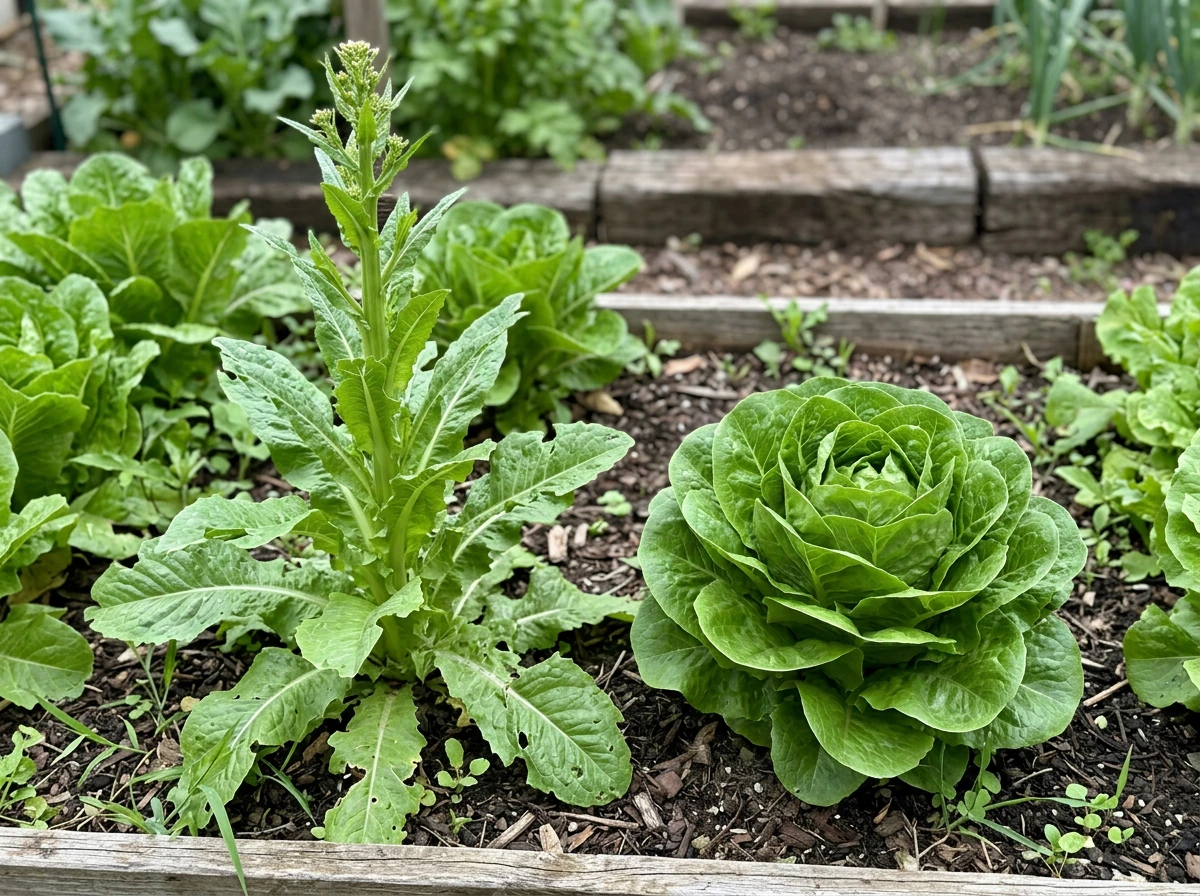
Most failures with head lettuce come down to a few predictable problems. Here is how to read the symptoms and fix them.
Bolting (the plant sends up a flower stalk)
Bolting is triggered by heat and long days. Once a lettuce plant bolts, it stops forming a head and the leaves become very bitter. If you catch it early (the center of the head begins to elongate upward and look taller than usual), harvest immediately. If you are trying to prevent it: plant earlier in spring to avoid summer heat, choose slow-bolt varieties, use 30 to 40% shade cloth when temperatures regularly exceed 75°F, and keep the soil consistently moist. Dry soil speeds up bolting. Successive plantings every 2 to 3 weeks also help you always have a crop at the right stage before the next one bolts.
Loose or open heads
If you harvest and the head feels loose rather than firm and tight, the most common causes are: insufficient spacing (ironic since crowding causes other issues, but too much space can also reduce leaf overlap), inconsistent watering during head formation, or harvesting too early. Check whether leaves are elongated and genuinely overlapping before you pull the plant. Warmer-than-ideal temperatures also result in lighter, more open heads. There is not a quick fix once the head is loose, but adjusting planting timing to cooler conditions will solve it in the next cycle.
Bitterness
Bitter lettuce is almost always the result of heat stress. Lettuce produces bitter latex compounds (lactucin and related chemicals) when it is under thermal stress or has begun bolting. If your lettuce is bitter before any bolting signs, it is likely getting too warm. Harvest earlier in the morning when leaves are coolest, keep plants well-watered, and use shade cloth. If the center leaves are bitter but outer leaves are fine, peel back the outer leaves and use the inner ones.
Tipburn
Tipburn shows up as brown, papery edges on the inner leaves of the head, often noticed only at harvest. It is caused by calcium not reaching the leaf tips fast enough during rapid growth, and it is most common when watering is inconsistent or when there is high humidity with poor air circulation. The fix is steady, consistent watering and avoiding large wet-dry swings. In hydroponic systems, good solution circulation helps. There is no cure once it appears on a head, but you can still eat the outer leaves.
Pests and disease
Aphids are the most common pest on lettuce. Check the undersides of leaves and the inner folds of the developing head. A strong spray of water knocks most of them off. If the infestation is heavy, insecticidal soap works well. Slugs are especially problematic in cool, wet conditions and on young transplants. Check plants at night and remove by hand, or use iron phosphate bait. Caterpillars (cabbage loopers in particular) leave ragged holes in leaves. Row cover over transplants prevents most insect pressure before plants establish. For disease, downy mildew appears as yellow patches on upper leaves with gray-white fuzz underneath. Improve air circulation and avoid overhead watering. Plant resistant varieties if it is a recurring issue.
Harvesting, succession planting, and keeping the harvest going
Knowing when to harvest
For romaine, harvest when leaves have elongated and overlapped to form a fairly tight head about 4 inches wide at the base and 6 to 8 inches tall. The head should feel firm when you press it gently. Do not wait too long: once the head feels hard and the center starts pushing upward, bolting is imminent and flavor will decline quickly. Cut the whole head off at the base with a sharp knife, leaving about an inch of stem. That stub can sometimes regrow a flush of smaller leaves over the next couple of weeks, similar to the regrowth technique described earlier.
Succession planting
The single best strategy for continuous head lettuce is staggered planting. Start a new batch of seeds every 2 to 3 weeks from early spring through about 6 weeks before your expected summer heat arrives. Then pick up again in late summer for a fall crop (count backward 50 to 70 days from first expected fall frost). This keeps you in fresh lettuce for months rather than getting a single big harvest followed by nothing. In mild climates, you can do this nearly year-round.
For fall planting, start seeds indoors in mid to late summer (exact timing depends on your first frost date). Transplant out in late summer when temperatures begin cooling. Fall romaine often has exceptional flavor because the cool, shortening days produce sweet, crisp heads with no bolting pressure.
Your next steps right now
Since today is late March, you are right at or past the ideal spring planting window in most of the US. If you are in a cool climate (USDA zones 5 to 7), you can still direct sow or transplant outdoors now. If you are in a warmer zone (8 and above), get seeds in the ground this week and have shade cloth ready for when temperatures climb. If outdoor planting is not an option right now (too warm, no space), start seeds indoors under grow lights for container growing and plan your fall succession. And if you just bought a romaine head at the grocery store and want to try regrowing it, today is a perfectly good day to cut the base and put it in water.
Head lettuce is one of those crops that rewards attention to timing and temperature more than any secret technique. Get the planting window right, give the plants consistent moisture and space, and pick a slow-bolt variety. That combination will get you tight, crisp heads more reliably than anything else. If you want to go deeper on planting timing and general lettuce cultivation fundamentals, the guides on planting and growing lettuce and growing garden lettuce on this site cover the broader picture well. how to grow garden lettuce
FAQ
What should I do if my head lettuce is forming a head but the leaves are still loose and not overlapping tightly?
Check two timing triggers: temperature (if it is trending above about 75°F, overlap often stays weak) and water consistency during hearting (the top 2 to 3 inches must stay evenly moist). If both are on track, wait a little longer but harvest as soon as leaves elongate and stack, do not let it go until the center pushes upward.
How do I know when my lettuce is about to bolt, and should I harvest early or try to save it?
The early sign is the center getting noticeably taller or more elongated before the head feels fully firm. If you see that vertical lift, harvest immediately for the best flavor, because once the bolt starts the bitterness ramps quickly and a “second try” at tightening rarely happens.
Can I grow head lettuce in partial sun instead of full sun?
Yes, but expect slower head formation and looser heads. Aim for at least 4 to 6 hours of direct sun (morning sun is ideal), and if you are consistently below that, compensate by starting earlier in the season and using shade only during the warmest afternoon window.
How much nitrogen is too much for tight heads?
Too much late in the season can soften heads and reduce overlap. If you are feeding a container crop, use diluted fertilizer on a schedule but stop additional feeding once heads start forming, then rely on consistent watering and cool temperatures to finish the crop.
My romaine has browning inner edges (tipburn), even though I water regularly. What else can cause it?
Tipburn often follows uneven moisture, but also happens when calcium uptake is disrupted by swings from dry to wet. Water at the base, avoid letting containers fully dry out, and make sure the potting mix is not drying unevenly (for example, dry on the edges and wet in the center).
What is the best container size for growing head lettuce if I only have space for one plant?
Use a pot at least 8 to 10 inches deep and about 10 to 12 inches wide per plant. Smaller pots restrict roots and dry out fast, which directly increases the chance of loose heads and tipburn. If you can, place containers where they get morning sun plus some afternoon shade.
Does regrowing lettuce from the grocery store actually produce a head again?
Usually no. A cut romaine base typically produces a compact rosette of tender inner leaves in about 10 to 14 days, not a full second commercial-size head. Treat it as a quick “cut-and-come-again” greens cycle, especially if the original head was stressed or warm when you bought it.
I’m seeing bitterness in leaves before any clear bolting signs. What should I check first?
Heat stress is the most common cause, even before bolting is obvious. Harvest earlier in the day when leaves are coolest, confirm soil moisture stays steady, and use 30 to 40% shade cloth if temperatures are regularly climbing into the mid-70s or higher.
Why are my heads loose even though spacing and watering seem fine?
Loose heads commonly come from temperature drifting warm during hearting or harvesting too early before true overlap forms. Verify that daytime temps are staying closer to the 60 to 65°F range when possible, and only cut the head when leaves are stacked tightly and the center is not yet pushing upward.
Can I prevent slugs without using bait?
Yes. Use physical barriers around containers or raised beds, and inspect at night when slugs are active. Row cover over young transplants is also effective for reducing early slug and insect damage, especially right after planting when plants are most vulnerable.
What should I do if hydroponic lettuce tipburn or root issues show up?
First, stabilize pH and EC, then confirm solution circulation is strong because stagnant nutrient water increases root problems. If you see tipburn, also look for moisture and oxygen fluctuations in the root zone, then adjust watering cadence and ensure the system is not running too warm.